


How to use a Japanese Hot Springs Bath
Posted: | Updated:
How to Properly Use a Japanese Hot Springs Bath (Onsen)
A complete, expert-approved guide to enjoying Japan’s most iconic cultural experience.
Japanese hot springs—called onsen—are more than a bath. They are an ancient form of relaxation, healing, and cultural connection. Whether tucked away in the snowy mountains of Takayama, overlooking the dramatic coastline of Tohoku, or flowing from volcanic springs in Kyushu, onsen are an unforgettable highlight of many Japan tours.
However, for travelers, knowing the proper etiquette can make your experience smoother, more comfortable, and far more meaningful. This guide offers step-by-step instructions, insider tips, cultural context, and recommended onsen destinations to elevate your journey through Japan.

What Is a Japanese Onsen?
An onsen is a natural hot spring bath heated by Japan’s volcanic activity. With over 3,000 hot spring areas, Japan is one of the world’s most onsen-rich countries.
Onsen culture is deeply rooted in:
- Healing—minerals in the water are believed to support health and well-being
- Relaxation—a therapeutic escape from the stresses of everyday life
- Tradition—a ritual practiced for centuries across rural and urban Japan
Many of our tours include onsen stays in regions like Takayama, Kyushu, and Tohoku, allowing travelers to experience this soothing tradition firsthand.

Step-by-Step: How to Use a Japanese Onsen Properly
1. Remove your shoes before entering the changing area
Cleanliness begins at the entrance. Shoes stay outside or in lockers. The changing room is a barefoot, peaceful space.
2. Undress completely
Onsen baths require full nudity. Towels and swimwear are not allowed inside the water, as they can disrupt cleanliness and mineral balance.
3. Shower and rinse thoroughly before entering
This step is essential. Use the wash stations to clean your entire body before approaching the bath. This ensures the water remains pristine for everyone.
4. Enter the bath slowly
Onsen temperatures typically range from 38–42°C (100–108°F). Ease your body in gradually to avoid dizziness and allow your body to adjust.
5. Do not splash, swim, or immerse your towel
Onsen are places of quiet relaxation. Keep your towel on your head or nearby, but never in the water.
6. Enjoy mindfully and respectfully
Some travelers like to meditate, others simply enjoy the mountain views or natural scenery. Speak quietly and maintain a peaceful atmosphere.
7. Rinse lightly after soaking (optional)
Some mineral-rich onsen recommend not rinsing after bathing to maximize health benefits. Follow the signs or ask the staff.
8. Hydrate after your bath
Onsen can be dehydrating—drink water afterwards to stay refreshed.

Common Onsen Questions for Travelers
Q: “Are mixed-gender baths common?”
Most modern onsen are separated by gender, but traditional mixed baths (konyoku) still exist in areas like Tohoku.
Q: “What if I feel shy or nervous?”
This is very common among first-time visitors. Private onsen rooms (kazokuburo) are available at many ryokan—especially in Takayama and Kyushu.
Q: “Until what age can children bathe with adults?”
In most public onsen, children up to around 6–7 years old may bathe with a parent or guardian. However, each onsen sets its own rules. Some facilities separate children by gender once they are school-aged, while others are more flexible for families. If you're unsure, simply ask staff or look for posted signs in the changing area.
Q: “Can I enter the onsen if I have tattoos?”
Tattoos were traditionally associated with organized crime in Japan, leading some onsen to restrict entry. However, this is rapidly changing—especially in regions popular with international travelers. Many onsen now welcome tattooed guests or offer:
- Private baths (kazokuburo)
- Rental tattoo covers
- Designated tattoo-friendly times
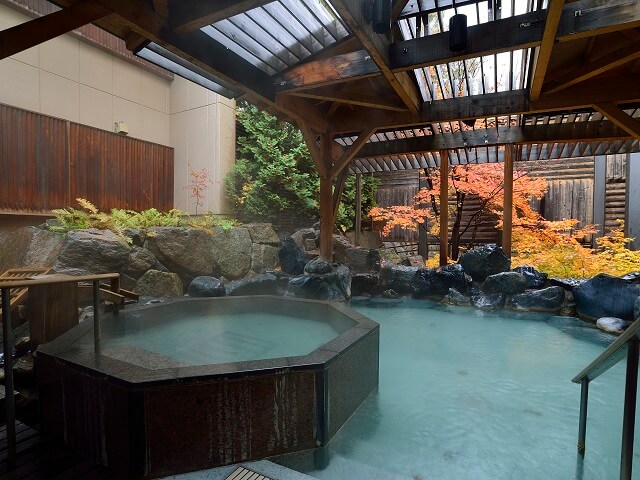
Best Onsen Destinations You Can Visit on Japan Tours
1. Beppu & Yufuin (Kyushu)
Famous for steaming geothermal landscapes, mud baths, and healing waters. Perfect addition to: Southern Japan Tours
2. Noboribetsu (Hokkaido)
Known for dramatic volcanic activity and sulfur-rich hot springs.
3. Nyuto Onsen (Tohoku)
A rustic, snow-covered escape with historic ryokan and hidden baths. Perfect add-on for: Tohoku Tours
4. Okuhida Hot Springs (Takayama area)
Outdoor baths with stunning mountain views—spectacular in winter. Visitable with: Takayama & Hidden Villages Tours
5. Kinosaki Onsen (Hyogo)
A charming town with seven public bathhouses and beautiful willow-lined streets.

What to Do After Your Onsen Bath
Your onsen experience doesn’t end when you step out of the water. Japanese people follow a few simple customs to maximize the health, relaxation, and cultural enjoyment of their bath. Here’s how to finish your onsen visit like a local:
1. Cool down gradually
After exiting the bath, sit for a moment in the changing area before getting dressed. This allows your body temperature to adjust and helps prevent lightheadedness.
2. Rehydrate
Onsen bathing is dehydrating. Most facilities offer cold water machines or vending machines with milk, tea, or sports drinks. A classic local tradition is enjoying an ice-cold fruit milk or coffee milk after your bath.
3. Avoid showering immediately
If you soaked in a mineral-rich hot spring, rinsing too soon may wash away the beneficial minerals. Unless the onsen specifically recommends rinsing, most visitors simply towel off and leave the minerals on their skin.
4. Enjoy a post-bath lounge or relaxation area
Many onsen have tatami rooms or quiet lounges where you can stretch, rest, or enjoy a snack. This is where you’ll often see locals reading, napping, or chatting softly with friends.
5. Stay warm after dressing
Your body stays warm for 20–40 minutes after bathing. Avoid exposing yourself to cold wind immediately—especially in winter—so you can prolong the relaxing effect of the bath.
Experiencing the full cycle—bath → cool down → hydrate → relax—is what makes onsen such a deeply soothing and culturally rich part of traveling in Japan.

Ready to Experience an Authentic Japanese Hot Springs Bath?
Onsen culture is one of the most meaningful, soothing, and unforgettable parts of traveling through Japan. Whether you're strolling through historic ryokan towns or soaking in an outdoor bath framed by snow-covered mountains, onsen offer a moment of genuine peace and cultural connection.
If you'd like to explore Japan’s top onsen destinations, consider joining one of our expert-guided tours:
- Southern Japan Tours (Kyushu)
- Takayama & Hidden Villages Tours
- Tohoku Cultural & Nature Tours
- Custom Private Japan Tours
Your Japan journey deserves extraordinary moments. Let an onsen be one of them.


Travel Desk
Over the past decade, we’ve watched Japan’s traditional hot springs—onsen—rise from a niche interest among seasoned travelers to one of the country’s most sought-after cultural experiences. As public awareness grows, so does the desire to understand the customs, etiquette, and deeper meaning behind these centuries-old bathing traditions. The increasing number of international guests seeking out onsen during their travels reflects not just curiosity, but a genuine appreciation for Japan’s approach to rest, renewal, and connection with nature.
As a travel company guiding thousands of guests each year, we often hear from travelers who felt both excited and a little intimidated before their first onsen visit. After all, hot spring culture in Japan is rooted in ritual and respect—something that can feel unfamiliar at first. Yet nearly every traveler tells us afterwards that understanding proper etiquette made their experience far more relaxing, meaningful, and culturally enriching. It’s a reminder that thoughtful preparation can transform a simple bath into a highlight of the entire journey.
Some ryokan and hotels also offer private onsen options such as family baths or reservable private rooms, and some properties even feature luxury suites with open-air rotenburo attached to the guest room. If you’re unsure which style best fits your comfort level or travel goals, feel free to reach out—our team is always happy to help you choose the onsen experience that feels just right for you.