


-
- USA/Canada 1-800-285-2726
- Australia (02) 8006 4411

Teradaya is a historic riverside inn in Fushimi, Kyoto, famous as the stage of dramatic clashes in the late Edo period. Here, samurai loyalists plotted, fought, and narrowly escaped assassination, leaving behind bullet marks, sword cuts, and stories that shaped the road to the Meiji Restoration.

Located in Kyoto’s Fushimi district, Teradaya began as a riverside ryokan serving boat traffic along the Uji River. By the mid-19th century it had become a discreet meeting place for samurai from domains such as Satsuma and Tosa, who were pushing to reshape Japan at the end of the shogunate era.
Today, the inn is a compact but atmospheric museum. Guests walk tatami corridors, climb narrow staircases, and stand in rooms where Sakamoto Ryoma once slept, negotiated alliances, and fought for his life.
In 1862, Teradaya was the scene of a violent clash between factions from the Satsuma domain. Radical samurai gathered here to plan assassinations that would overturn the political order. The plot was discovered and loyalist forces stormed the inn, resulting in a deadly confrontation that shocked Kyoto and signaled how unstable the late Tokugawa regime had become.
A few years later, in 1866, Teradaya became even more famous when agents of the shogunate launched a night raid to kill Sakamoto Ryoma, one of the key architects of the Meiji Restoration. Warned by his future wife as she ran from the bath, Ryoma grabbed his revolver, fought back, and escaped with his bodyguard through the back of the inn.
Inside Teradaya today, visitors can still see traces of this battle: recreated rooms, historic documents, and places where bullets and blades once struck the wooden beams. Although the building was rebuilt after the Battle of Toba-Fushimi, the current structure carefully preserves the layout and atmosphere of those dramatic years.
Teradaya is not a large museum; instead, it feels like stepping into a functioning 19th-century inn. Rooms are compact, ceilings are low, and view lines open out to the river. This scale makes it easy for guests to imagine everyday scenes—arriving boats, secret meetings, and hurried escapes in the night.
Exhibits often include portraits, letters, weapons, and replicas connected to Ryoma and other key figures. Even travelers who are new to Japanese history can appreciate how personal and fragile these episodes of samurai drama really were.
Teradaya sits within easy walking distance of Fushimi’s sake breweries and canals. Many visitors pair the inn with a visit to historic brands such as Gekkeikan, or a gentle stroll along the waterfront toward Fushimi Inari Taisha and Daigo-ji, creating a day that blends samurai history, temple culture, and local flavors.
Teradaya is especially rewarding for:
Teradaya can be visited in about 45–60 minutes, making it easy to fit into a half-day Fushimi itinerary. The building includes narrow staircases and some uneven floors, so comfortable footwear and a moderate level of mobility are recommended.
For history-focused itineraries, combine Teradaya with other Ryoma-related sites, or with museums in central Kyoto that explore the same Bakumatsu era. Even a short stop here adds depth and narrative to any Kyoto journey.
Follow the footsteps of Ryoma and other reformers, standing in the very rooms where they hid, planned, and survived.
The riverside setting and compact wooden interiors convey a side of Kyoto that feels intimate and almost cinematic.
With convenient access from central Kyoto and plenty of nearby sights, Teradaya fits naturally into multi-day Kyoto and Kansai tours.
Discover escorted cherry blossom tours with March–April departures across Tokyo, Kyoto, Osaka,
Hiroshima, and more. Ideal for travelers those seeking deeper cultural experiences.
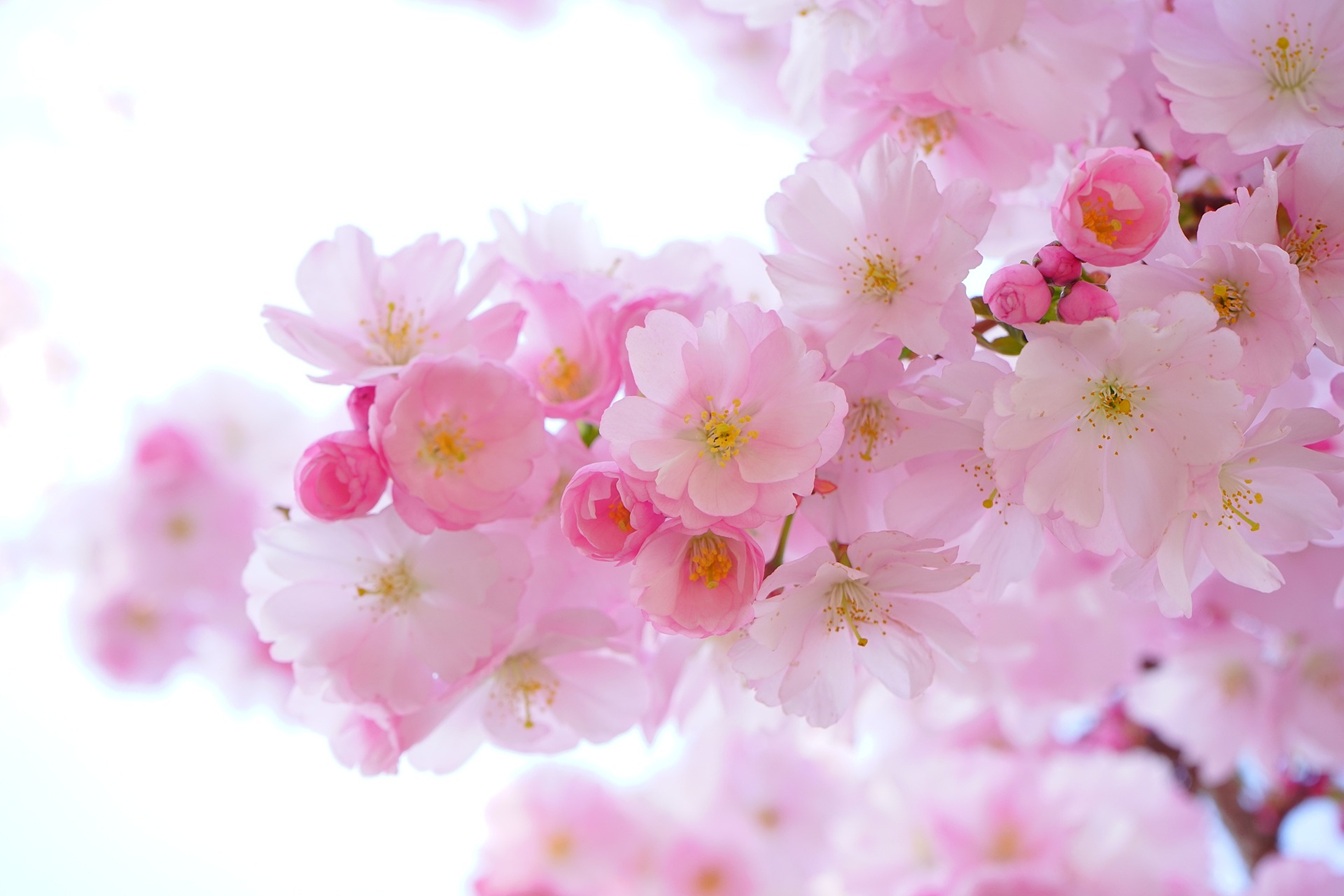 Spring · March–April Departures
Cherry Blossom Tours 2026
View Japan Cherry Blossom Tours
See all current cherry blossom itineraries and departure dates.